From Mine Sites to Plants: A Gold Tailings Visit, November 18–20
A three-day visit to Mines No. 1 and No. 2 and the plants in Guizhou and Chenzhou, taking earlier ideas about the full operating chain into specific questions on site and preparations for further validation.
Reading & sharing
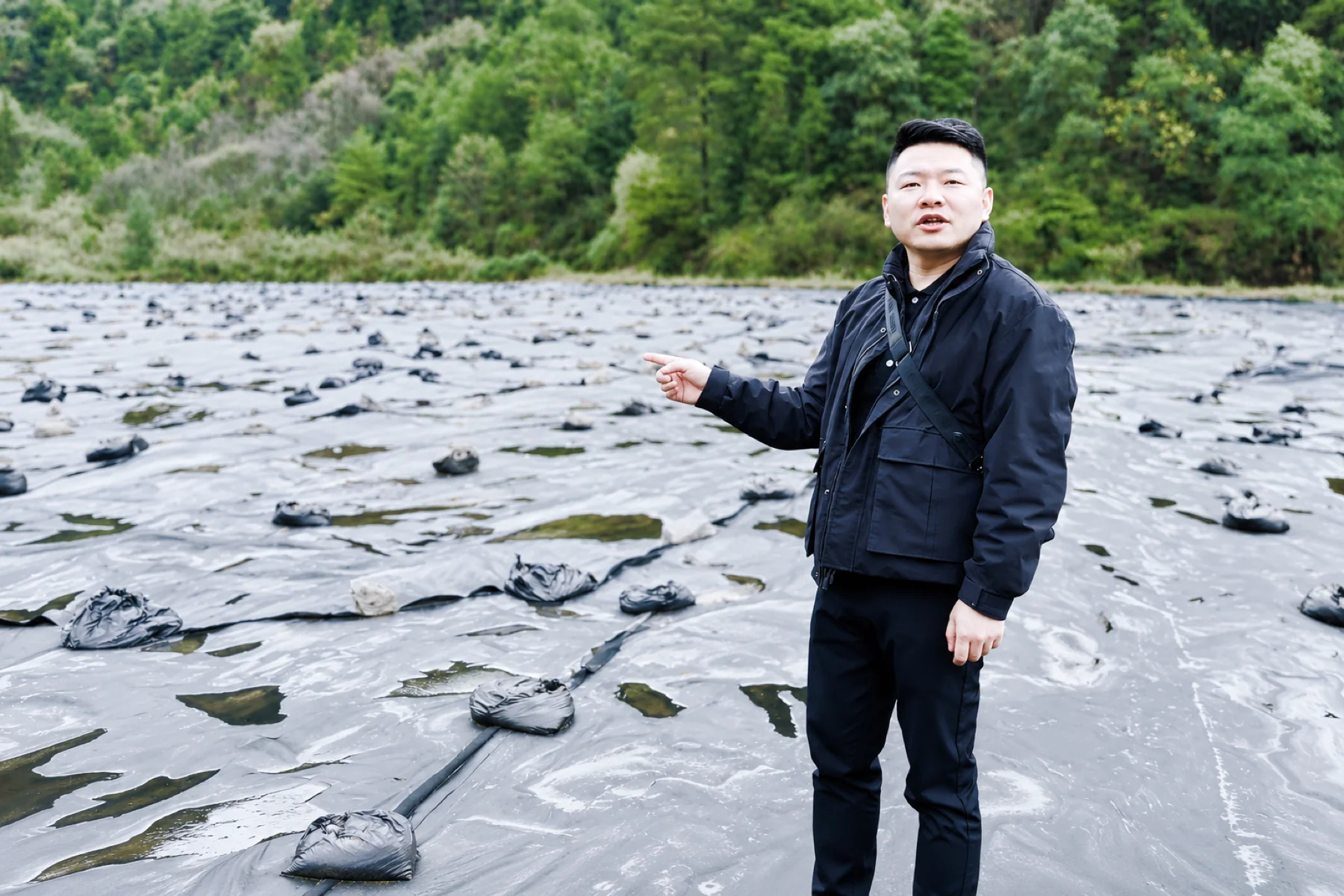
From November 18 to 20, I visited Mines No. 1 and No. 2, a plant in Guizhou, and a plant in Chenzhou.
When I wrote From Tailings to Cash, I placed material sourcing, transport, processing, gold production, sales, and cash collection along a single chain, thinking about how a project's expectations could become actual results step by step. Later, when I worked through Gold Capital's integration of mining and retail, I extended that chain to the supply chain, stores, and customers.
This visit gave those ideas more concrete points of reference on site. The roads, grounds, stockpiles, equipment, and explanations from the people there added details to each part of the diagrams—details that I could keep asking questions about.
On the 18th, I first visited Mines No. 1 and No. 2.
The route followed mountain roads, and mountains surrounded the mine sites. Standing beside an area covered with sheeting, I began to think more specifically about the terrain, roads, and stockpiles in front of me: how the material would be retrieved, how vehicles would get in and out, how loading and transport would be arranged, and how these would connect with processing.
In a diagram, “material sourcing” can be represented by a single box. On site, it becomes clear how much sits inside that box. The source and properties of the material need to be understood, whether samples reflect actual conditions needs to be checked, and loading, transport, measurement, and handover all need someone responsible for them.
The value of a material source becomes clearer as these conditions are established. Subsequent process validation, treatment arrangements, and operating estimates all need a reliable foundation from this starting point.
On the 19th, I visited the plant in Guizhou.
Walking through the plant grounds and into the covered area, I could see stockpiled material and the actual layout of the equipment and site. At the mines, I had been concerned with where the material came from. At the plant, my attention moved further along: once the material arrives, how is it received and stored, and how does it enter processing?
This connects to a very practical question: can the pace of transport match the pace of production?
When raw material arrives, how long it remains in storage, how batches are processed, and what conditions the equipment needs to operate all affect the arrangements that follow. Having a production plan also means making sure that the stages before and after it can connect.
When I previously mapped the full process, I paid particular attention to handover records. This visit made that issue more concrete. For a given batch of material, the weight and moisture information at loading and dispatch need to correspond with the records made after it enters the plant. Any change in weight also needs an explanation supported by evidence, so that the actual input can be accounted for.
These everyday tasks determine whether subsequent output and costs can be explained clearly.
On the 20th, I went into the workshop at the Chenzhou plant.
Wearing a hard hat, I walked alongside the equipment and platforms, looking at the places the material passes through, as well as the pumps, pipes, motors, and connections. Conversations in the workshop brought my attention to the process down to its individual stages.
Using the materials compiled after this visit, I retraced the path of the gold: gold-bearing material is ground and mixed into a slurry, then leached under suitable conditions so that recoverable gold enters the solution. Solid–liquid separation, collection, adsorption, and other stages then progressively concentrate the gold.
Following this route gives many questions a clear place in the process.
How much of the gold in the feed can be leached? After leaching, how much moves with the liquid into the next stage? During filtration and washing, how much remains in the residue? After adsorption, how does the gold proceed through downstream recovery and eventually become a product that can be weighed, assayed, and handed over?
These stages need to be understood individually and then connected through the relevant records. Gold-bearing solution, gold-loaded carbon, and the final metal product are at different stages of the process. Assessing actual recovery also requires checking inputs, gold retained within the process, residues, and physical output together.
Being inside the workshop helped me appreciate more fully that a process consists of a series of tasks requiring ongoing control and coordination.
The materials relating to this visit have also been organized into two parts.
One sets out tailings transfer, processing, and the path of the gold to help the team understand the process and its key questions. The other sets out an approach to laboratory validation and record templates in preparation for the next stage of work.
Next, I would like to establish the current conditions and performance: whether the samples are representative, how gold in the feed is measured, whether the current conditions can be reproduced, and whether the gold in material and liquid streams at each stage can be reconciled. Once the baseline is clear, we can compare the effects of grinding fineness, reaction conditions, reagent use, filtration and washing, adsorption, and other stages.
Assessing improvement also means considering actual recovery, treatment time, reagent and energy consumption, and coordination with production. Candidate conditions identified in experiments will need independent repeat testing, followed by further checks of their suitability for different materials and continuous operation.
These are tasks to be undertaken next. The explanations on site helped me understand the process, while experimental and production records will continue to answer what can actually be achieved, and under which conditions.
The three-day visit took my understanding of the gold tailings project a step further, from the overall chain into the specific work involved.
Connecting material sources, processing, the supply chain, and customers requires people to do each stage thoroughly. Connecting industry and capital also requires actual operating results as its foundation. Who is responsible for handover, how quality is confirmed, how deviations are investigated, and how the final product is delivered and payment collected all need to be put into practice, item by item, as the project advances.
In the next stage, I hope to first establish representative samples, repeat experiments, and complete records, then continue with process optimization and production coordination based on the validation results.